2015年12月27日 星期日

2013 北加州旅遊 — 7/26 Eureka → Fort Bragg → Willits →Calpella


想從Eureka回San Francisco,走101公路大概五個小時就能到達。但是喜歡看風景的我們覺得一路高速公路太沒意思了,決定走1號公路試試看,沒想到這麼一個想法,讓我們從早一路開到晚上!

這是101號公路

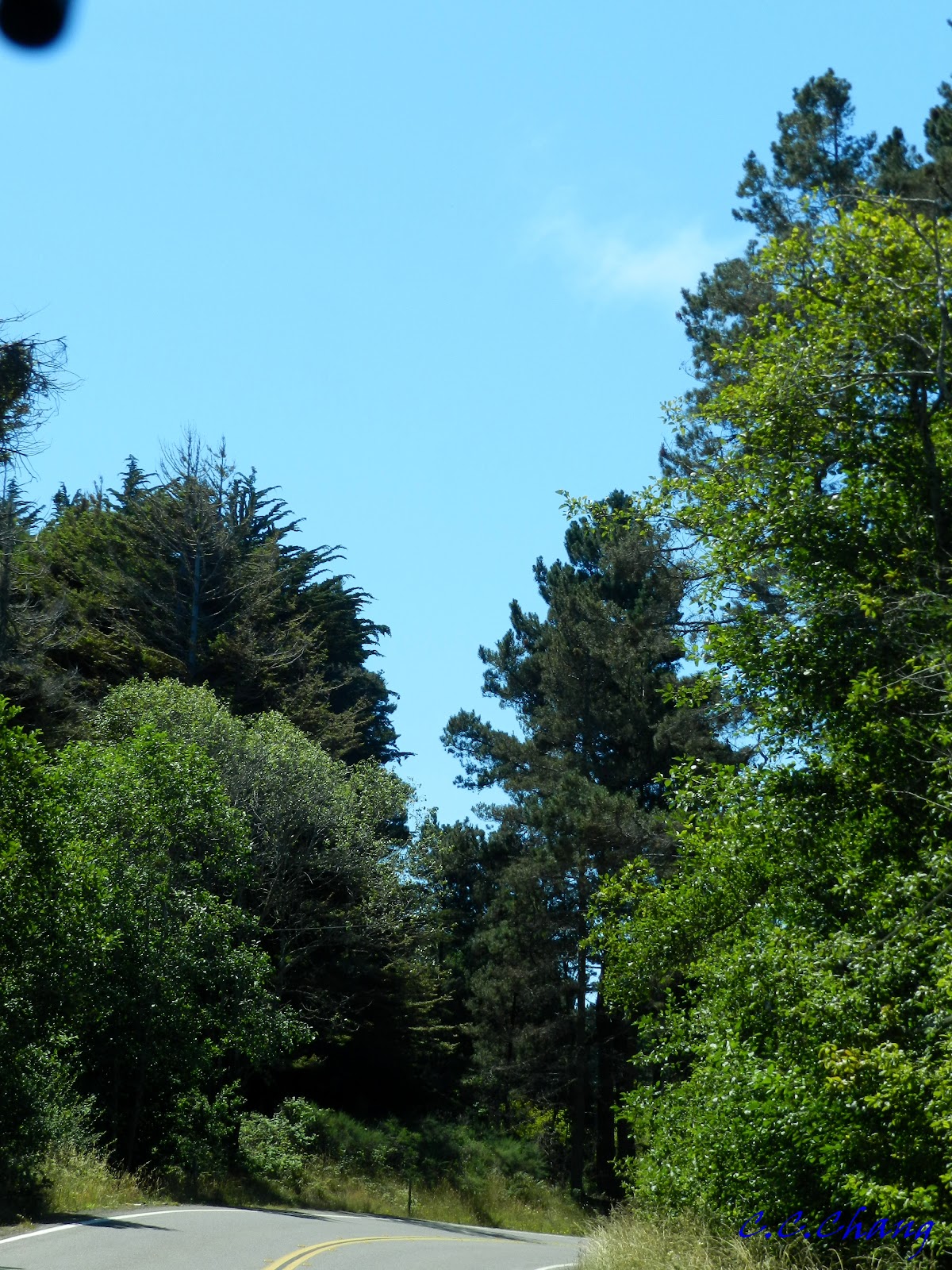
這也是101號,但這段路兩旁都是大樹林立,好像回到了之前的Redwood National and State Park一樣。

上網一查,這裡還真的是Humboldt Redwoods State Park。

之後在Leggett離開101公路,轉入1號公路。

從Leggett開始的一號公路,一開始完全是在山中蜿蜒而行,路不寬,彎道又多,時而上坡時而下坡,根本開不快。這段路是我在開的,因為開過北宜公路多次,所以對我不算難事。但是真的很不喜歡這條一號公路,尤其是有些車非要在這麼窄又彎曲的山路上超車,讓我開起來心驚膽跳的。

雖然在網路上有人說一號公路的風景很美,但這段山路還真的沒什麼亮點。

過了Hardy,正式沿著海岸線走,路一樣小,一旁是海一邊是山壁,開起來還真是一點也不能掉以輕心。

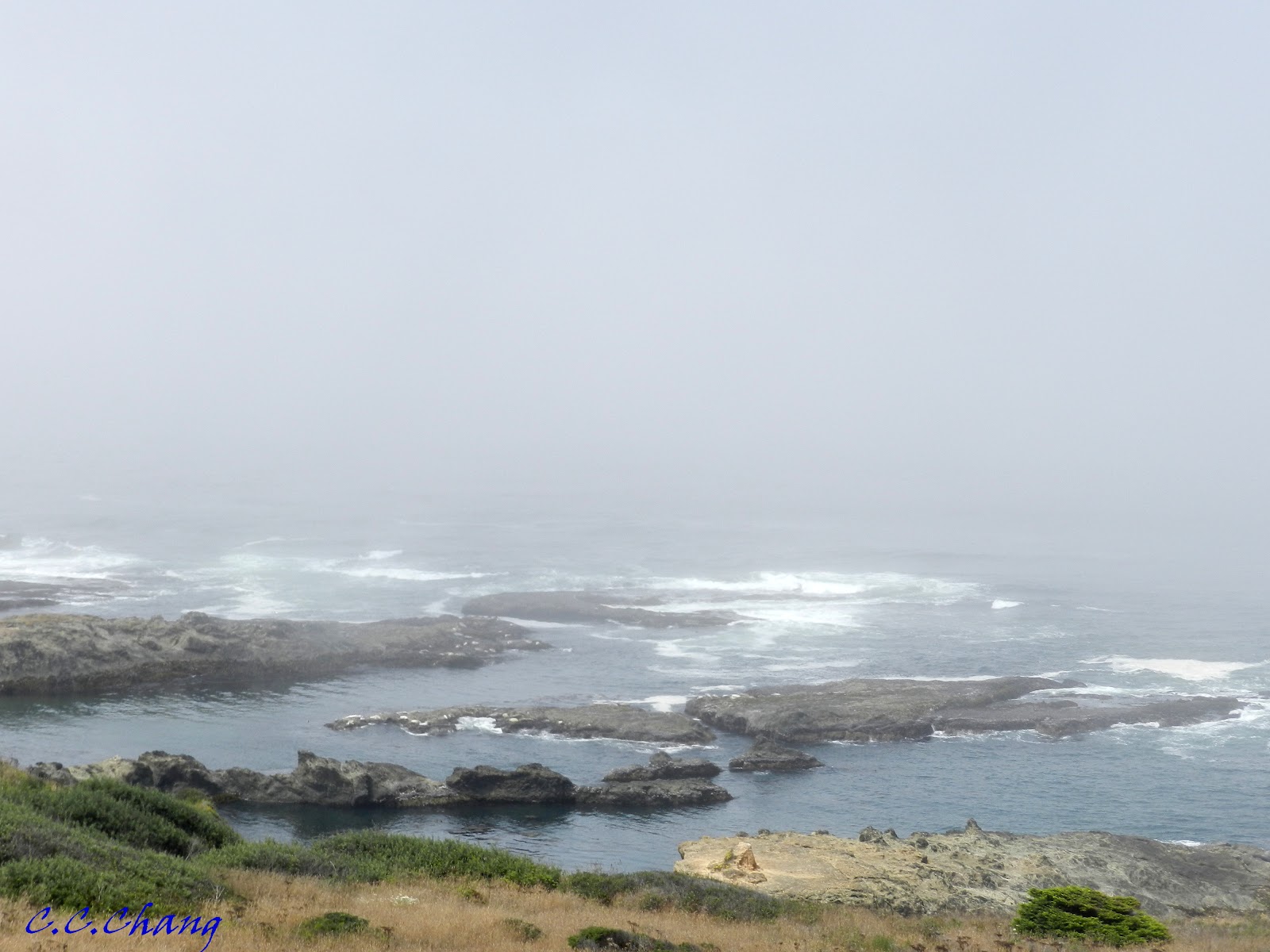
霧漫上岸,讓我們更需要小心謹慎!


這是在MacKerricher State Park附近


只覺得這些樹木好特別喲,可惜擋風玻璃實在太髒了!

很有氣氛吧,但這樣磨蹭著開,不知道何時才能到舊金山,原想參觀的柏克萊大學也只能犧牲掉了。


來到MacKerricher State Park,但沒看到任何遊客和車輛,和老公商量後決定就掠過吧。


 不知名路邊的野花

 這應該是第一次看到的,從沒見過這種橘紅色的野花!

實在太好奇了,請老公停下車,我小心越過馬路(路上車雖不多,但都開得很快),靠近照些。

 好像馬桶刷

 即使這麼一個小角落,都讓我今天的旅程充滿快樂!

經過了一個蠻大的城市(Fort Bragg),買了些食物,繼續上路,這回老公和我決定別再走這難走的一號公路了!
我們在Fort Bragg之後轉開20號公路,雖然仍然是一條山路,但至少覺得充滿希望(被一號公路嚇到了)。

走回101了,雖然鬆了一口氣,卻不滿於這種高速公路景觀。


當然,101公路也並非全是高速公路。

我喜歡在這種充滿鄉村風味的道路

學不到教訓的我聳恿老公改變心意,再次離開主要幹道走鄉間小路,沒想到老公竟然也答應了。

就這樣,我們在Calpella再次岔出,開20號公路去也!這段路好開嗎?我必須誠實的回答不好開(運氣不好又是輪到我開),因為這是條在山丘中上上下下的鄉村道路,沿路若不是乾黃的野草和低矮的灌木林,就是一大片的葡萄園。景觀是不錯(整片葡萄園真的很好看),但開起車來還是傷神,尤其是在這附近開始看到一路上都沒看過的敞篷車飛馳而過,這些車可是一點耐性都沒有!

在開這些山路時遇到了一台長拖車,跟在後面不時看到馬兒像是在和我打招呼,還蠻有趣的。


2015年12月26日 星期六

2013 Redwood National and State Park Travel — 7/25 Rodeway inn, Eureka, CA

這是一間便宜的旅館,做為趕路時的歇腳點,只要夠乾淨應該就很完美了!

我沒特別注意它是甚麼Gold Award,但是可確定的是這家旅館的老闆應該是印度人。人很親切,還特別提醒我們入住後若接到任何櫃台電話千萬別理會。
他說他也不知甚麼原因,有一些旅客提及接到櫃台電話,說是入住時刷的信用卡無效,要他們再次提供信用卡資訊而被騙。他再三提醒我們,若有問題他會直接到我們房間敲門,不會通過電話。

一進房間,被這紅通通的大床給嚇了一跳,什麼跟什麼呀,怎麼會有人選這麼俗氣的顏色呀!


這是沙發床

除了大紅床之外其他都可以接受。


整齊乾淨

沒甚麼可挑剔的,適合正在趕路的我們。


2013 Redwood National and State Park Travel — 7/25 Kuchel Visitor Center

來到Kuchel Visitor Center,才知道已經到了下班時刻,人去樓空!

雖然對於沒法進室內參觀有些失望,但看開點吧,照張像留做紀念吧!

室外走廊展示著用紅木製作成的獨木舟

照片中對於原住民(印地安人)的生活型態做了些說明。

這個沒有任何機械動力的交通工具,在生活中扮演著非常重大的角色。

而對於這兩種樹的差異,我反而更有興趣!

如何分辨紅木和巨杉呢?

巨杉學名(Sequoiadendron giganteum),俗稱世界爺,屬柏科巨杉屬唯一物種。主要分布於美國加利福尼亞州內華達山脈西部。陽性樹,生長快,而樹齡極長。播種繁殖,但幼苗易生病害。巨杉是所有樹中最粗大的一種。巨杉不僅是最大的紅木,而且也是地球上最龐大的並且尚存活著的生物。平均可長到 50 到 85 公尺,直徑約 5 到 7 公尺。紀錄中樹高最高可達 93.6 公尺、最大直徑超過 10 公尺。其中一棵位於內華達山巨杉國家公園中的巨杉雪曼將軍樹,樹高 83.8 公尺,基部直徑 11.1 公尺,樹幹圍長 31.1 公尺,18.3 公尺高處仍有 5.3 公尺直徑,54.9 公尺處直徑 4.3 公尺,高度 39.6 公尺處最大分支直徑達 2.1 公尺。1985 年測算重量約為 2800 噸。據估計其樹齡約 2150 年左右,應該不超過 3100 年。其體積達到 1,487m³,是地球上現存最大的單一有機體(曾經有數棵更大的巨杉,但因為19世紀後期發現後的砍伐,已經消失)。

常綠巨型喬木,在原產地可高達 100 公尺,直徑可達 10 公尺。樹冠闊圓錐形。樹幹基部有垛柱狀膨大物;樹皮深縱裂,厚 30 至 60 公分,呈海綿質;冬芽小而裸露:小枝初現綠色,後變為淡褐色。葉鱗狀錐形,螺旋狀排列,下部貼生小枝,上部分離,分離部分長 3 到 6 公釐,先端銳尖,兩面有氣孔線。雌雄異株。

目前天然原生的世界爺群落只分布於加州內華達山脈西部,一塊長約 420 公里,海拔約 1400 到 2150 公尺高的狹小範圍內。除少數群落分布於優勝美地國家公園及其以北之地區外,大多數的自然群落座落於國王峽谷國家公園、巨杉國家公園及其鄰近的國家森林範圍。它們生長的地方通常是有著乾燥夏天、下雪的冬天、潮濕的氣候,海拔約1,500公尺到2,000公尺的山谷中。

加州紅木學名(Sequoia sempervirens),又稱海岸紅杉、紅杉、北美紅杉、長葉世界爺,是世界上長的最高的植物之一,能長到115公尺高,主要分布於美國加利福尼亞州。目前已知最老的紅木約有2,200歲。
加州紅木(Sequoia)據信為紀念切羅基文字發明者塞闊雅(Seguoyah)而命名。

紅杉(紅木)這個名詞廣義上也被用作為紅杉亞科(Sequoioideae)的通稱。該亞科包括了生長在加州海岸山脈地區的紅杉屬(Sequoia)、加州內華達山脈西側的巨杉屬與中國地區的水杉屬三種近親物種。
主要分布於北加州的太平洋海岸。北界至Chetco River(約加州和俄勒岡州交界),南界到Salmon Creek Canyon(加州蒙特瑞縣南部),最內陸離海不到75公里。
這個區域的年雨量達到2,500公厘,寒冷的海風和霧氣使得這個區域保持終年潮濕。


Giant Sequoias and Redwoods: The Largest and Tallest Trees

Giant sequoias and California redwoods (also called coast redwoods) are nature’s skyscrapers. These enormous trees exist primarily in Northern California, and though they have a number of common characteristics, including distinctive cinnamon-red bark, they are different species.
One giant sequoia (Sequoiadendron giganteum), known as General Sherman, is the world's largest tree, while a redwood ( called Hyperion )is the tallest.

Giant sequoias
Giant sequoias can grow to be about 30 feet (9 meters) in diameter and more than 250 feet (76 meters) tall. The biggest of these behemoths is General Sherman, a giant sequoia in Sequoia National Park. General Sherman stands 275 feet (84 meters) tall, has a 102-foot (31 meters) circumference, and weighs an incredible 2.7 million pounds (1.2 million kilograms). Giant sequoias can live to 3,000 years, with the oldest on record living more than 3,500 years.
Mature sequoias lack branches on the lower half of their trunks. Sequoia trunks taper as they rise, forming a rounded top where individual branches sweep downward. Their green leaves are small, scale-like, and arranged in spirals. Both male and females cones are carried on the same tree.
Sequoias grow naturally along the western slope of the Sierra Nevada mountains, between 5,000 and 7,000 feet above sea level and far inland. That elevation provides the trees with dry mountain air necessary for their cones to open and release seeds. The snowpack from the Sierra Nevada provides sequoias with the thousands of gallons of water they drink every day. Sequoias have shallow roots and require well-drained soil.
Because of its brittle texture, the sequoia is not a valuable lumber species. It was, nevertheless, logged extensively around the turn of the 20th century. Originally, sequoias could be found throughout the Northern Hemisphere. Today, they are found only in 77 scattered groves in Northern California. Among the places that preserve giant sequoias are Sequoia National Forest, Sequoia National Park, and Giant Sequoia National Monument.

Redwoods
These tallest of trees reach heights of more than 350 feet (107 meters). The tallest tree in the world is named Hyperion, which reaches 379.7 feet (115.7 meters). Redwoods can achieve a diameter of 24 feet (7 meters), and 1.6 million pounds (725,700 kg). These giants can live to be 2,000 years old and have graced the planet for more than 240 million years. Though they once thrived throughout much of the Northern Hemisphere, today redwoods are only found on the coast from central California through southern Oregon. They do not live more than 50 miles inland, and are usually found in long belts, rather than small groves.
True to their name, coast redwoods need a moderate, coastal climate to survive. They require the area’s frequent fog to protect them from dry spells and drought. Like sequoias, redwoods require abundant water to drink and have shallow root systems. Redwoods, however, get their water from rain rather than snowmelt, and therefore require consistent rainfall throughout the year. They even “create” their own rain by trapping fog in their lofty branches. With the right amount of moisture, redwoods can grow two or three feet in a year, making them one of the fastest-growing conifers in the world.
In contrast to their size, redwoods have extremely small cones — about one inch long. They have appropriately large root systems, however, often extending 100 miles (161 kilometers) and intertwining with the roots of other redwoods. Baby redwoods often sprout at their parents’ base, latching onto their roots for nutrients. For this reason, they often grow in circular clusters sometimes called fairy rings.
The coast redwood’s lumber has been highly valued historically. It is durable, resistant to rot and termites, non-warping, and relatively soft. For this reason, it has been extensively logged. Since logging began in the 1850s, 95 percent of old-growth coast redwoods have been cut down, according to the Sempervirens Fund. Today, many redwoods exist in protected forests and parks.

既然已經是傍晚時分,就趕緊往今天的住宿城市Eureka前進。

沿途當然還是有一些美景,但應該不能再耽誤時間了。

在快到Eureka時照的


眼前這一排樹應該是防風林吧!